
Cultural perspectives on gambling exploring diverse beliefs and practices
Historical Context of Gambling Practices
Gambling has existed for centuries, deeply woven into the fabric of many cultures. In ancient civilizations, activities that we might now categorize as gambling were often tied to religious beliefs and rituals. For instance, the Chinese played a version of a lottery as far back as the Han Dynasty, believing it was a means to support public projects. Similarly, ancient Romans employed dice and betting in their festivities, reflecting their cultural attitudes towards chance and fortune. Today, with the rise of technology, many enjoy the thrill of an online casino experience that connects these historical traditions with modern entertainment.
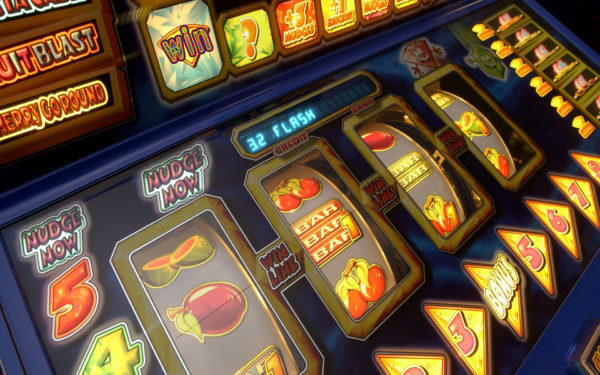
As societies evolved, so did their perspectives on gambling. In some cultures, it became a form of entertainment, while in others, it was viewed with skepticism or outright prohibition. Understanding these historical nuances helps in deciphering the varied beliefs surrounding gambling today, particularly as we move toward modern forms, including online gambling.
Gambling in Western Cultures
In Western cultures, gambling has undergone significant transformations, especially with the rise of casinos and online platforms. The notion of gambling as a leisure activity gained momentum in the 20th century, coinciding with an increasing acceptance of betting as a mainstream entertainment form. This shift has led to diverse gambling practices ranging from poker nights among friends to massive lotteries that garner state sponsorship.
However, alongside this acceptance, there exists a persistent stigma regarding gambling addiction. Many Western countries have implemented regulations to protect vulnerable populations while promoting responsible gambling, reflecting an awareness of both the potential thrills and risks involved in gambling activities.
Gambling in Eastern Cultures
In Eastern cultures, gambling holds a complex position, often intertwined with social customs and familial interactions. Countries like China celebrate games like Mahjong, which are not merely about winning money but also serve as a means of fostering community ties. Meanwhile, Japan’s gaming culture includes Pachinko, a unique blend of gambling and entertainment, reflecting local traditions and societal norms.
Despite the cultural significance, there are also concerns about the potential for addiction. Governments in these regions have started to impose stricter regulations on gambling, aiming to balance cultural practices with the need for public health and safety. This duality illustrates the ongoing evolution of gambling practices within these societies.
Online Gambling: A Global Perspective
The advent of the internet has revolutionized gambling, creating a global platform that transcends geographical boundaries. Online gambling offers accessibility and convenience, attracting a diverse audience. This has resulted in varying cultural attitudes; while some embrace the technology as an exciting advancement, others view it as a threat to traditional values and face-to-face interactions.
Additionally, online gambling has sparked discussions about regulation and ethics. Different countries approach these issues differently, with some implementing strict controls while others celebrate the freedom and innovation the digital realm offers. This divergence underscores how cultural beliefs shape attitudes toward gambling in the digital age.

Exploring Our Website
Our platform is designed to cater to a diverse audience interested in gambling, both online and offline. We aim to provide a safe, engaging space where users can explore various games while being mindful of their experiences. Our commitment to security ensures that visitors can enjoy their gaming without compromising personal safety.
As we strive to improve user experience, we invite feedback and encourage open communication regarding any access issues. Our ongoing dedication to protecting our community through robust security measures reflects our understanding of the complexities surrounding gambling practices in different cultures.